10 Important Questions to Ask Before Buying a Car
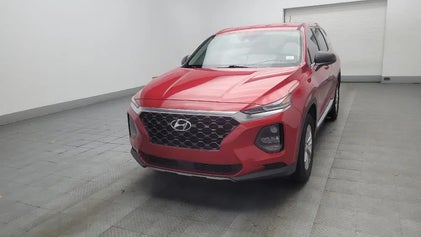
Buying a car is a significant financial decision, whether you are purchasing a used vehicle or looking at new models. With so many makes, models, trims, prices, and financing options available, asking the right questions can help you avoid unexpected costs and choose a vehicle that fits your needs.
Before committing to a purchase, take time to understand the vehicle's condition, history, pricing, financing, and ownership costs. AutoDepot helps shoppers explore vehicle options and compare different cars, trucks, and SUVs as they plan their next purchase.
Here are 10 important questions to ask before buying a car.
1. What Is the Vehicle's Total Price?
Start by asking about the complete purchase price, not just the advertised price or monthly payment.
The final cost may include taxes, registration, documentation fees, optional equipment, and other charges. Understanding the total amount you will pay makes it easier to compare vehicles and stay within your budget.
Ask for a clear breakdown of all applicable costs before signing any paperwork.
2. What Is the Vehicle's History?
If you are buying a used car, ask for information about its history. Find out how many previous owners it had and whether it has been involved in accidents or experienced significant damage.
Review available vehicle history records and look for inconsistencies in mileage, ownership, or service information.
A vehicle history report cannot identify every potential mechanical problem, but it can provide useful background information when evaluating a used vehicle.
3. Has the Car Been Properly Maintained?
Maintenance history can tell you a great deal about how a used vehicle was cared for.
Ask whether records are available for routine services such as oil changes, brake work, tire replacement, fluid services, and other recommended maintenance.
If maintenance records are incomplete, consider having an independent mechanic inspect the vehicle before completing the purchase.
For shoppers planning to buy certified used vehicles online, review the certification details carefully. Understand what inspections were performed and what warranty coverage is included with the vehicle.
4. What Is the Vehicle's Current Mileage?
Mileage is an important factor when comparing used vehicles. However, it should always be considered alongside age, condition, and maintenance history.
A vehicle with higher mileage may still provide good value if it has been maintained properly. Conversely, low mileage does not automatically guarantee excellent condition.
Ask how the current mileage compares with the vehicle's age and review available records to verify the information.
5. What Features and Equipment Are Included?
Two vehicles of the same model can have significantly different equipment depending on the trim level and options.
Ask which features are included in the specific vehicle you are considering. Depending on the model, these may include:
Advanced safety technology
Smartphone connectivity
Navigation
Heated seats
All-wheel drive
Parking sensors
Backup cameras
Premium audio
Driver-assistance systems
Knowing exactly what is included helps you compare vehicles more accurately.
6. What Are the Financing Terms?
If you plan to finance the vehicle, ask about the interest rate, loan term, monthly payment, amount financed, and total repayment amount.
Do not evaluate financing based only on the monthly payment. A longer loan term may produce a lower monthly payment but could increase the total amount of interest paid.
Compare financing options carefully and choose a payment that fits comfortably within your budget.
AutoDepot provides financing resources for shoppers who want to explore vehicle financing while comparing available cars.
7. What Will the Vehicle Cost to Own?
The purchase price is only part of the financial commitment. Ask yourself how much the vehicle is likely to cost after you drive it home.
Consider insurance, fuel, maintenance, tires, repairs, registration, and other ongoing expenses.
Different vehicle types can have very different ownership costs. A fuel-efficient compact car may cost less to operate than a larger SUV or truck, while an older vehicle may require additional maintenance.
Understanding these costs can help you choose a vehicle that remains affordable over time.
8. Can I Take the Vehicle for a Test Drive?
Always take the vehicle for a thorough test drive before purchasing when possible.
Pay attention to acceleration, braking, steering, transmission operation, suspension, engine noise, and overall ride quality.
Test the vehicle in different driving conditions and make sure all important features work correctly. Check the climate controls, windows, locks, infotainment system, cameras, lights, and other electronic equipment.
If something does not feel right, ask questions before proceeding.
9. Is There a Warranty?
Ask whether the vehicle includes a manufacturer's warranty, used vehicle warranty, extended warranty, or other coverage.
For new vehicles, determine what components are covered and how long the warranty remains active. For used vehicles, understand whether any existing warranty coverage transfers to the new owner.
If you are considering new cars for sale in USA, warranty coverage can be an important part of comparing the long-term value of different vehicles.
For certified used vehicles, review the certification and warranty terms carefully. Make sure you understand what is covered, what is excluded, and where covered repairs can be completed.
10. Does This Vehicle Fit My Long-Term Needs?
Finally, ask whether the vehicle will continue to meet your needs several years from now.
Consider your expected mileage, family size, commute, cargo requirements, travel plans, and lifestyle. A vehicle that works perfectly today may not be the right choice if your needs are likely to change.
Think about passenger capacity, cargo space, fuel efficiency, towing capability, technology, and comfort before making a final decision.
Compare Your Options Before Buying
You do not have to choose the first vehicle that meets your basic requirements. Comparing several vehicles can help you understand differences in pricing, mileage, equipment, and condition.
Whether you are planning to buy certified used vehicles online or searching for new cars for sale in USA, take your time and investigate each option carefully.
AutoDepot gives shoppers access to vehicle listings and resources designed to make the vehicle-shopping process easier. You can explore different body styles, vehicle types, and price ranges while narrowing your choices.
Make a Confident Car-Buying Decision
Asking the right questions can make the car-buying process more transparent and help you avoid surprises after your purchase. Before making a final decision, understand the vehicle's history, condition, price, financing, warranty, features, and expected ownership costs.
AutoDepot encourages shoppers to compare their options and choose a vehicle that fits both their current needs and long-term budget.
Whether you are looking for a used vehicle or exploring new cars for sale in USA, careful preparation can help you find the right combination of value, reliability, features, and affordability.
Comments
Post a Comment